Speakers
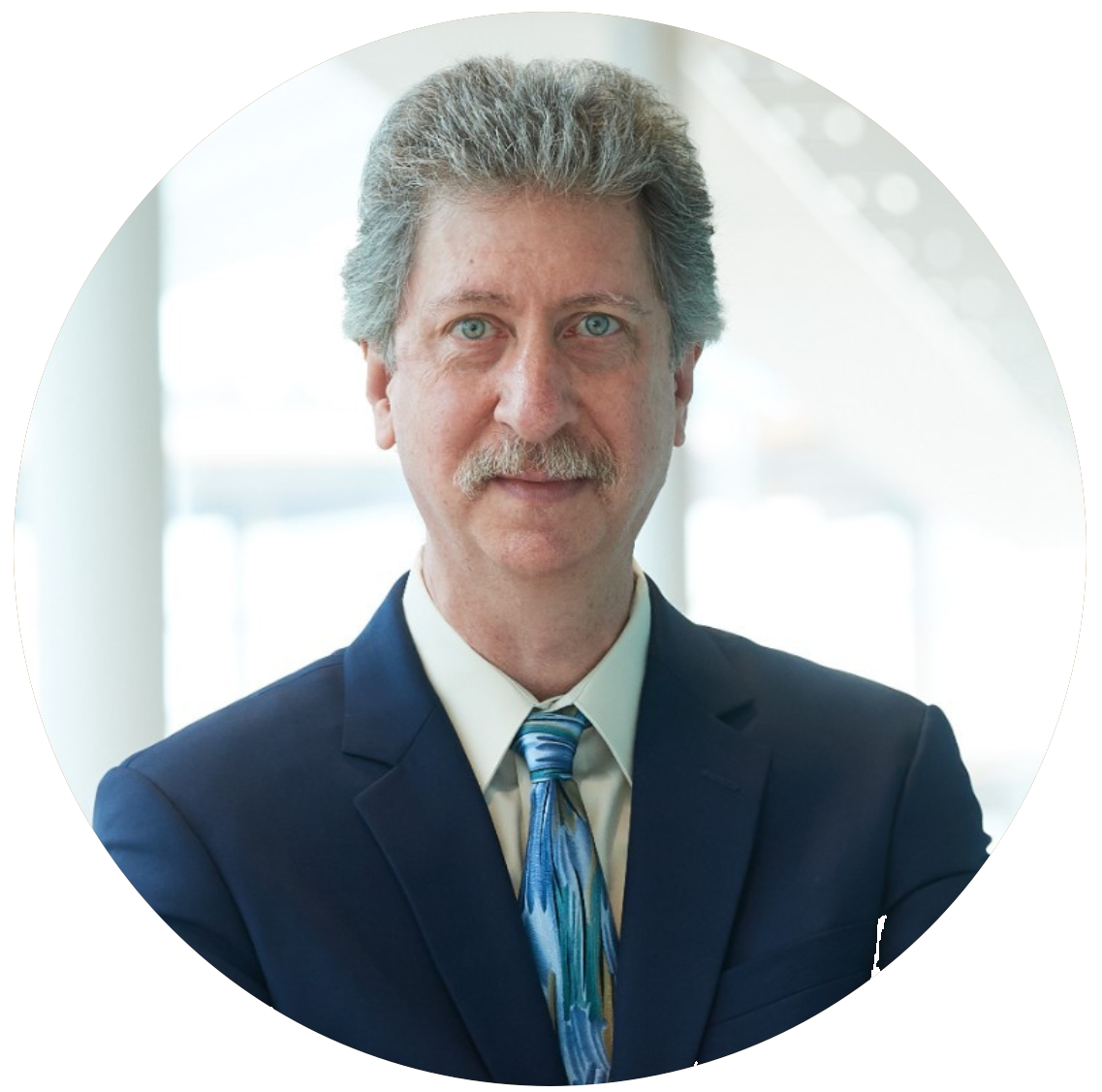
Bruce Levine
University of Pennsylvania, USA
Dr. Bruce Levine is the Barbara and Edward Netter Professor of Cancer Gene Therapy and the Founding Director of the Clinical Cell and Vaccine Production Facility (CVPF) within the Department of Pathology and Laboratory Medicine and the Abramson Cancer Center at the Perelman School of Medicine, University of Pennsylvania.
He earned his BA in Biology from the University of Pennsylvania and his PhD in Immunology and Infectious Diseases from Johns Hopkins University.
Dr. Levine is a pioneer of first-in-human adoptive immunotherapy trials, including the first use of a lentiviral vector, the first infusions of gene-edited cells, and the first application of lentivirally modified cells for the treatment of cancer. He is the co-inventor of the first FDA-approved gene therapy, Kymriah, a chimeric antigen receptor T cell therapy for leukemia and lymphoma, licensed to Novartis.
He is a co-inventor on 33 issued US patents and a co-author of more than 200 manuscripts and book chapters, with a Google Scholar citation h-index of 117. Dr. Levine is also a co-founder of Tmunity Therapeutics and Capstan Therapeutics, both spinout companies of the University of Pennsylvania.
His contributions have been recognized with numerous honors, including the William Osler Patient Oriented Research Award, the Wallace H. Coulter Award for Healthcare Innovation, the National Marrow Donor Program Be The Match ONE Forum Dennis Confer Innovate Award, the American Society for Gene and Cell Therapy Jerry Mendell Award for Translational Science, the International Society for Cell and Gene Therapy Career Achievement Award in Cell and Gene Therapy, and the Richard N. Merkin Prize in Biomedical Technology. He is a Past President of the International Society for Cell and Gene Therapy.
In addition to his scientific leadership, Dr. Levine has written for Scientific American and Wired and is deeply committed to training the next generation of scientists, advancing public outreach, and expanding global and equitable access to advanced therapies.
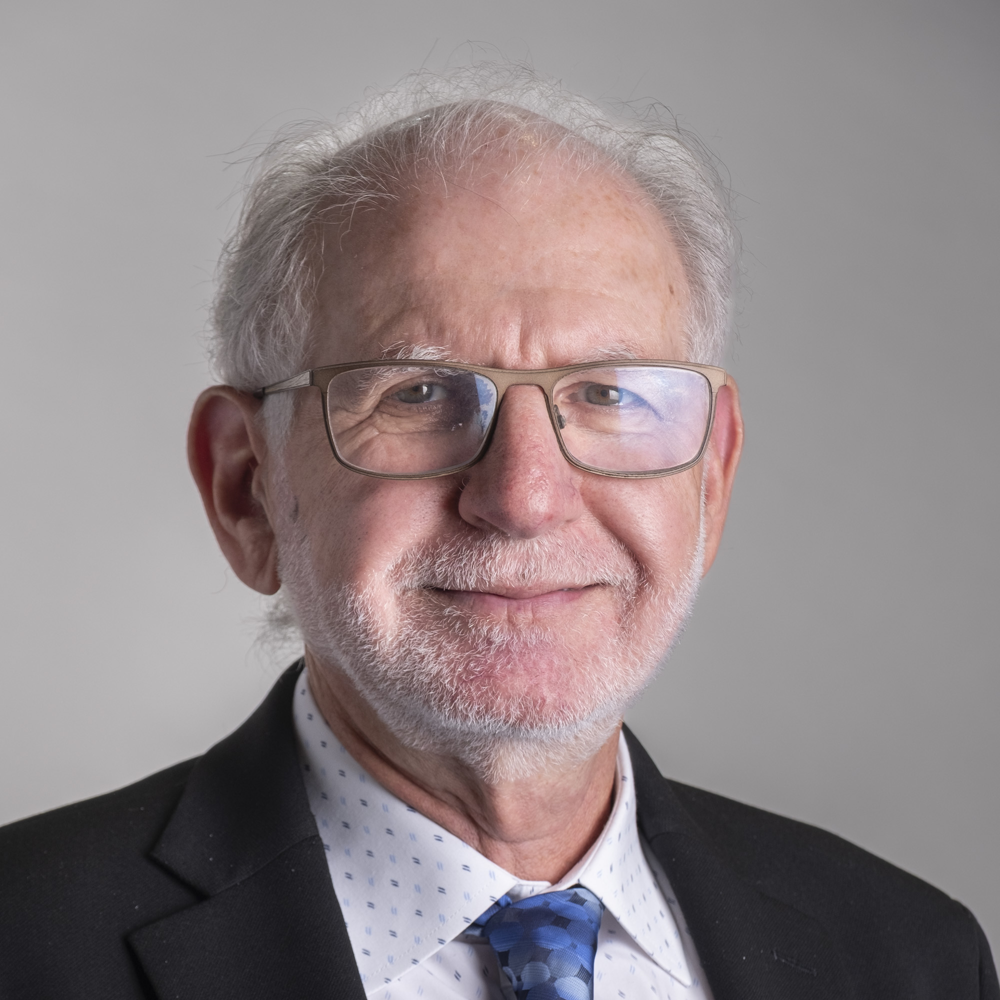
Robert Negrin
Stanford University, USA
Robert Negrin, MD is a professor of medicine and former Chief of the Division of Blood and Marrow Transplantation and Cellular Therapy at Stanford University. He received his undergraduate degree from the University of California at Berkeley and MD from Harvard Medical School. He trained in Internal Medicine and Hematology at Stanford University and joined the faculty at Stanford University in 1990.
His research focuses on developing a more fundamental understanding of immune mediated reactions such as graft vs host and graft vs tumor reactions with a particular interest in immune regulatory mechanisms. Several concepts developed in his laboratory have been translated to clinical trials including the concept developed by Orca Bio. Dr. Negrin has published over 300 manuscripts and 44 book chapters. He has won a number of awards including fellowships from the Damon Runyon Walter Winchell Cancer Fund and the Jose Carreras International Leukemia Foundation. He was a recipient of a Distinguished Clinical Science Award from the Doris Duke Foundation. He received the E. Donnall Thomas lectureship from ASTCT. He is an elected member of the Association of American Physicians.
Dr. Negrin has served on multiple editorial boards and was an Associate Editor of Blood and the Founding Editor in Chief at Blood Advances. He has served as the President of the International Society of Cellular Therapy, the American Society of Blood and Marrow Transplantation (currently American Society of Transplantation and Cellular Therapy) and is currently the President of the American Society of Hematology.
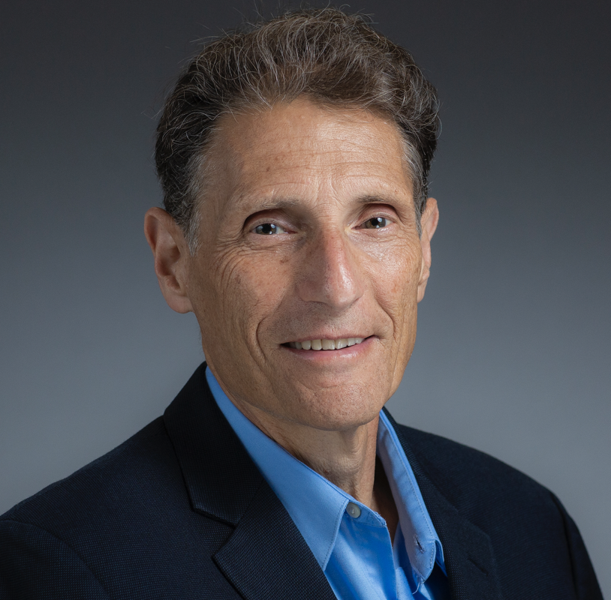
Mitchell Kronenberg
La Jolla Institute for Immunology, USA
Mitchell Kronenberg received a Ph.D. from the California Institute of Technology, was also a postdoctoral fellow there, and subsequently served on the faculty of the UCLA School of Medicine. He joined the La Jolla Institute for Immunology in 1997, and was President (2003- 2021), Chief Scientific Officer (2021-2023), and is now Professor and President Emeritus.
The Kronenberg laboratory investigates the development and function of iNKT and MAIT cells, particularly in the context of microbial infections. Work on mouse iNKT cells over many years has analyzed the structure and recognition of glycolipid antigens, antigen processing and presentation, iNKT cell homeostasis, communication with other cell types, and the formation of functional iNKT cell subsets. Human iNKT cells have also been analyzed for their recognition of glycolipid antigens, including those from pathogenic bacteria. He has consulted for several biotech companies and investors interested in developing iNKT cell-based therapies.
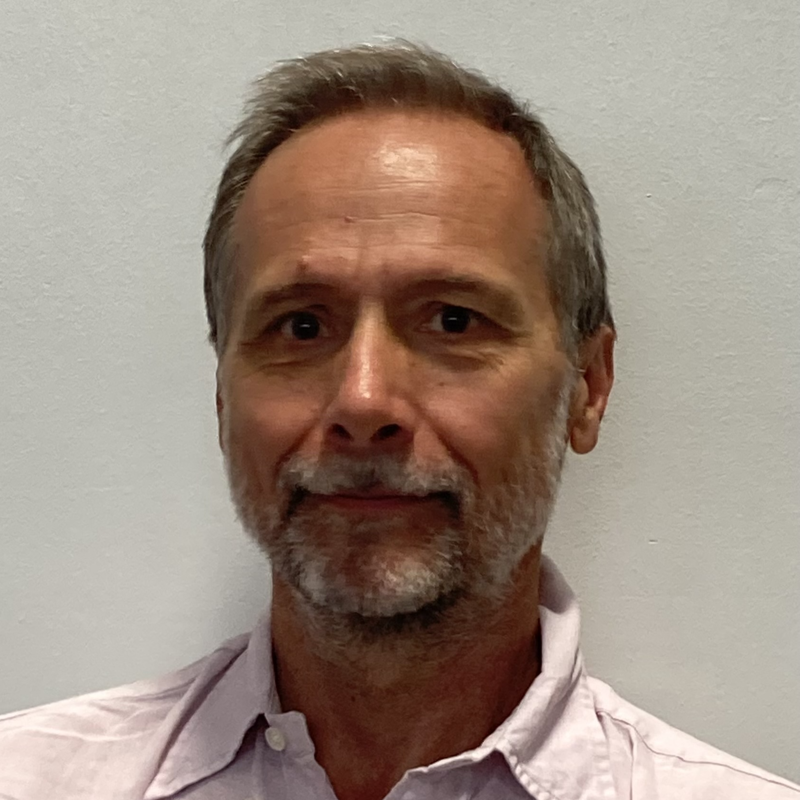
Paolo Dellabona
San Raffaele Scientific Institute, Italy
Paolo Dellabona earnes a Medical Degree and a Ph.D. in Human Genetics. After postdoctoral research with Fabio Malavasi at University of Torino, Roberto Accolla at the Ludwig Institute for Cancer Research in Lausanne, and with Christophe Benoist and Diane Mathis at the University of Strasbourg, he became a member of the Basel Institute for Immunology. In 1993, he joined the San Raffaele Scientific Institute in Milan, where he co-leads the Experimental Immunology Unit with Giulia Casorati. From 2014 to 2023, he also served as Director of the Division of Immunology, Transplantation, and Infectious Immunity.
The Casorati–Dellabona laboratory investigates CD1-restricted T and iNKT cell responses, exploring their role in both physiological and pathological contexts. Their work places particular emphasis on tumor immunosurveillance and the translational potential of these immune responses for therapeutic applications.

Gianpietro Dotti
University of North Carolina at Chapel Hill, USA
Professor Dotti received his medical degree from the University of Milan, Italy, and completed his clinical training and Board certification in haematology at the University of Parma. He then completed a post-doctoral fellowship at the Center for Cell and Gene Therapy at the Baylor College of Medicine in Houston, Texas.
He is currently a Professor of Microbiology and Immunology and the Director of the Cellular Immunotherapy Program at the Lineberger Comprehensive Cancer Center at the University of North Carolina.
Professor Dotti has more than twenty years of expertise in the gene engineering of immune cells for cancer treatment. His research focuses on strategies to redirect the antigen specificity of T lymphocytes and overcome tumor inhibitory mechanisms, including the development of chimeric antigen receptors (CARs), transgenic T-cell receptors, and cytokine/cytokine receptor expression. In this role, he has developed CAR-iNKT cell strategies for cancer therapy and has contributed to the creation of two CAR-iNKT cell products that have been used in patients with blood cancers and pediatric neuroblastoma.
Collectively, Dr. Dotti has implemented over ten new INDs in the field of CAR-T cell therapy and launched more than twelve Phase I clinical studies in both hematologic malignancies and solid tumors.
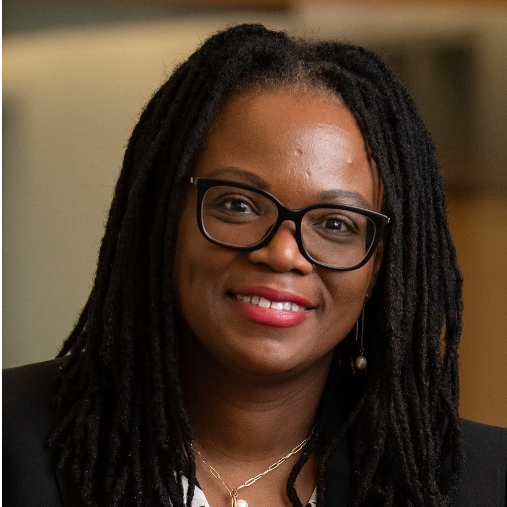
Tonya Webb
University of Maryland School of Medicine, USA
Tonya Webb is a Professor of Microbiology and Immunology, Assistant Dean of Student Engagement and Student Life at the University of Maryland School of Medicine, and serves as the Associate Director of Workforce Excellence and Development for the Greenebaum Comprehensive Cancer Center.
She is a leading immunologist and research scientist whose roles reflect her longstanding commitment to advancing representation in research. She directs three training programs that broaden participation in cancer research by fostering an inclusive culture and supporting scientific innovation.
Patricia Barral
King's College London, UKProf Patricia Barral obtained her PhD from the Universidad Complutense de Madrid (Spain) and trained as a postdoctoral fellow at the London Research Institute (UK). She is currently a Professor of Immunobiology at King's College London where she leads the Centre for Inflammation Biology and Cancer Immunology, and a senior group leader at the Francis Crick Institute (London, UK). Her group's interest is to understand the cellular mechanisms that initiate and shape immune responses, with a particular emphasis on studying the biology and function of unconventional T cells in health and disease.
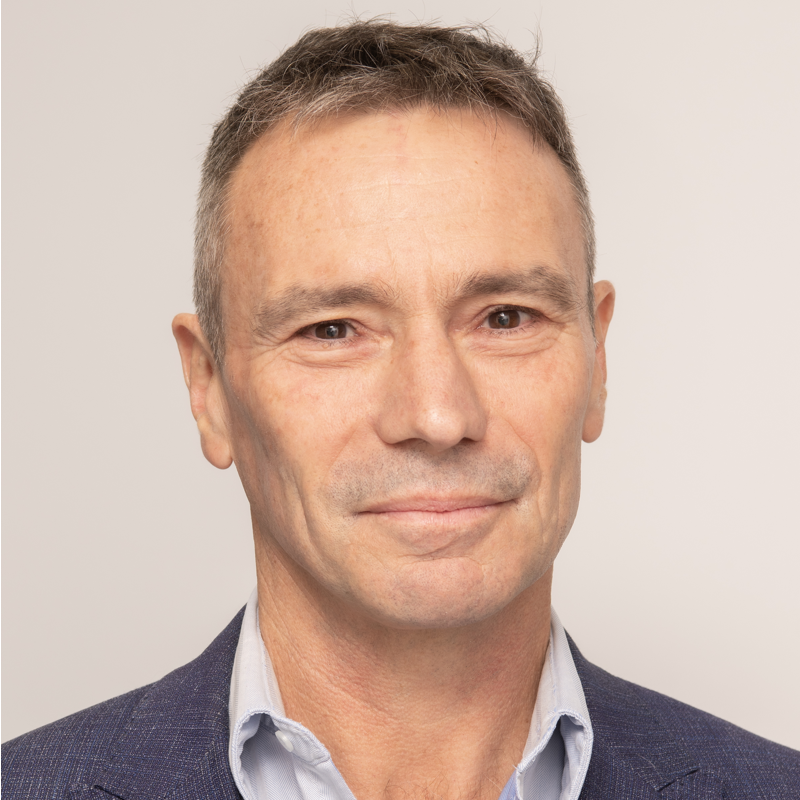
Gavin Painter
Victoria University of Wellington, New ZelandProfessor Painter obtained his PhD in chemistry from the University of Otago in 1995 (synthetic methodology) which was followed by postdoctoral research at the University of Cambridge (the synthesis of inositol phospholipids for elucidation of PI3K pathways). Since joining the Ferrier Research Institute, University of Wellington in New Zealand his research laboratory has focussed on the synthesis of lipid-based materials including phosphatidyl inositol mannosides, glycolipids, glycolipid-peptide conjugates and novel lipid nano-delivery vehicles for encapsulation of various vaccine components including RNA, peptides, glycolipids and various immune stimulates. His research group is currently focussed on the development of sub-unit vaccines (peptides and mRNA) that leverage NKT help to induce T cell memory responses in liver tissue.
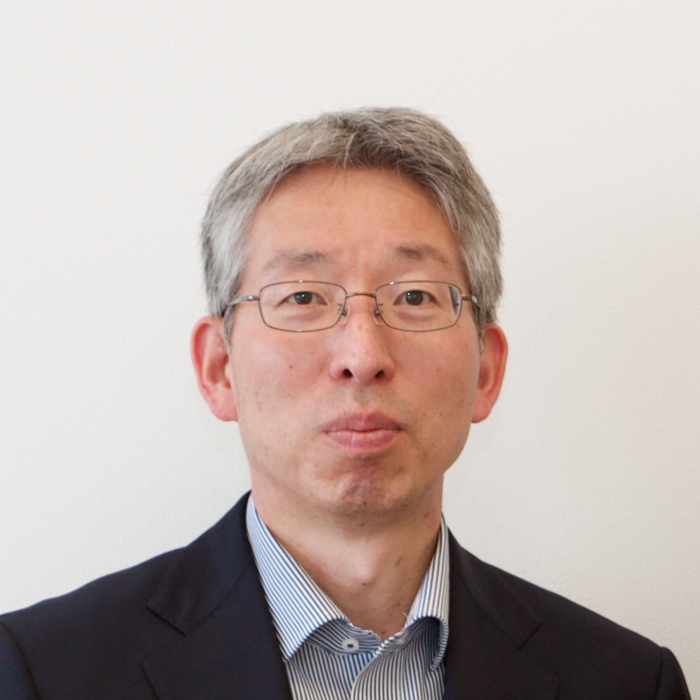
Shinichiro Motohashi
Chiba University, Japan
Shinichiro Motohashi is a Professor of Medical Immunology at Chiba University in Japan. He received his M.D. and Ph.D. from Chiba University and continued his research as a postdoctoral fellow in the laboratory of Dr. Masaru Taniguchi, after which he was appointed as a faculty member in 2005.
Motohashi and his colleagues focus on the development of NKT cell-mediated immunotherapy for non-small cell lung cancer and head and neck cancer, conducting translational research that spans from basic studies on α- galactosylceramide-pulsed dendritic cells to clinical trials. They are also engaged in a joint project with RIKEN to develop adoptive immunotherapies using induced pluripotent stem (iPS) cell-derived NKT cells and active immunotherapies using iPS cell-derived antigen-presenting cells. By the end of 2025, an investigator-initiated clinical trial using allogeneic iPS cell- derived NKT cells for advanced head and neck cancer had been reported to be feasible and safely conducted.
-
Lydia LynchPrinceton University